This list is based on trips I have planned with travellers in their seventies and eighties, plus my own parents, who now refuse anything with more than two flights. The order below is the order I book in.
Rules for trips with older travel partners
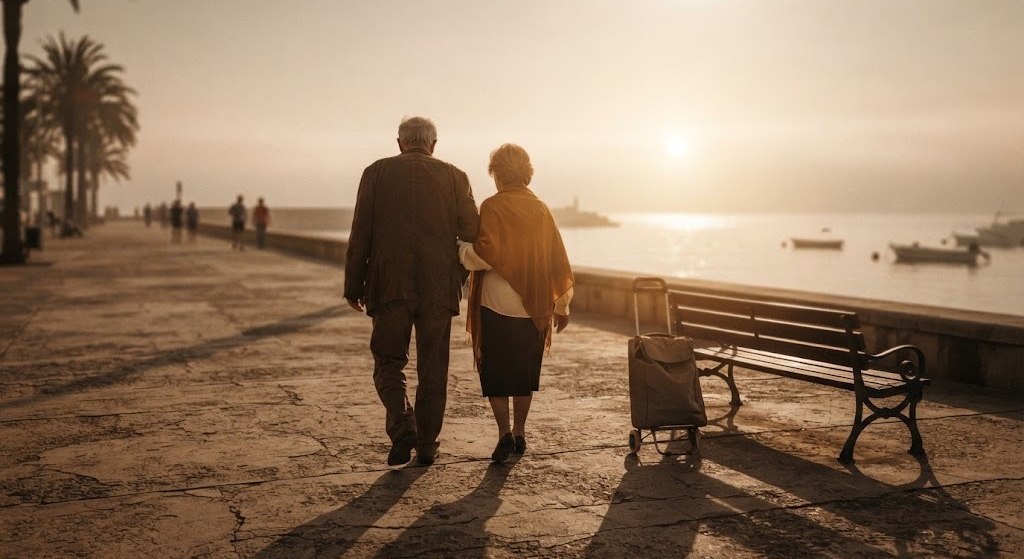
- Book the room with two bathrooms. It sounds excessive until you are sharing one with four people on a schedule. The layout matters more than the view, every time.
- Put the hotel within a short walk of where you eat. Ten minutes on a map becomes the reason someone skips dinner. Book near the first evening's table and the trip starts well.
- Transfer with a private car for arrival and departure. Mid-trip public transport is fine and often more fun; the first and last hours are when patience is thinnest.
- Schedule one anchor a day, not three. A single booked thing before lunch keeps the day structured and leaves the afternoon free for the nap that everyone needs and nobody admits to.
- Check the walking surface before the walking distance. Cobblestones, hills and long gravel paths end a day faster than kilometres do. Look at the route, not the number.
- Eat earlier than you would alone. A 6:30 table means better service, shorter waits, and everybody back at the room at a reasonable hour.
- Carry the medication list and the insurance card in paper. Phones die, pockets get pickpocketed, and a pharmacy counter does not read screenshots.
- Book the middle day light. Day three is when the flight debt shows up. Put a beach, a garden or a long lunch there instead of a museum queue.
The two that decide the trip
If you only fix two things, fix the room layout and the arrival transfer. Everything else can go slightly wrong and the trip still works; those two cannot. A tired group in the wrong room on the first night spends the rest of the week catching up.
Getting the pace right
- Walk to one neighbourhood a day. A single area, explored slowly, beats three landmarks linked by taxis. Pick the district with benches, shade and somewhere to sit down halfway.
- Build the morning, protect the afternoon. Energy is front-loaded on a trip like this. Put the ticketed or timed thing before lunch and leave the rest open.
- Take the elevator even when you could climb. Saving stairs for a hill later is how somebody arrives at dinner too tired to enjoy it.
- Plan the transport with a seat every forty minutes. Trams, boats and taxis are not just faster; they are places to rest between the things you came to see.
- Agree a regroup point instead of a regroup time. People drift at different speeds, and a named café with outdoor tables is easier than chasing a clock.
Food, medication and the small paperwork
Book dinners earlier than you would with friends, and check the menu before you walk there. Nothing derails an evening faster than a kitchen that serves only one option somebody cannot eat. Tell the restaurant about allergies when you book rather than at the table; smaller places appreciate the warning and cook accordingly.
Keep a paper sheet with the medication list, dosages, allergies, the insurance policy number and an emergency contact at home. Two copies: one in the room, one carried during the day. Also photograph every passport and mail it to yourself, because counters and pharmacies ask for identification more often than you expect.
Take out cash on the second day, not the last. Card machines fail in exactly the small towns where the best lunches are, and hunting for an ATM at 2pm with a tired group is nobody's idea of an afternoon.
What to leave at home
The ambitious day trip with two borders or three connections. The new walking shoes. The plan that requires everyone to be ready at 7:15 four mornings running. And the idea that rest days are wasted days: the afternoon you spend doing nothing in a square is usually the one everybody remembers.
Health, insurance and the honest conversation
Have the conversation before you book, not at the airport. Ask directly how far they like to walk, whether stairs are a problem, what time they want to be back, and whether the trip should have one rest day every four. People answer those questions more honestly when they are about preference rather than ability.
Then deal with the paperwork while there is still time. Travel insurance that covers pre-existing conditions needs documentation at purchase, not a claim. A letter from the doctor listing medications in generic names crosses borders more smoothly than boxes. And the medication itself goes in hand luggage, split between two bags, with the prescription photographed on both phones.
Check what the destination actually offers: pharmacies with English-speaking staff, clinics within a taxi ride, the nearest hospital to each night's address written into the document. None of it gets used most of the time, and all of it removes the only kind of worry that can spoil a trip before it starts.
Start with the room, then the walk to dinner, then the arrival car. Once those are booked, the lighter days arrange themselves around them, and nobody has to negotiate the pace out loud.