Do you want the warm sea or the empty street? They rarely arrive in the same fortnight, and that is the whole decision behind a shoulder-season trip: you are choosing which of the two you are willing to give up. Below is how the windows actually line up, coast first, then mountains, then cities.
The coast has two shoulders, not one
Along the Mediterranean the water decides the calendar more than the air does. In May and early June the sea is still brisk after winter, so swimming is for the committed, while beaches, ferries and coastal roads all work without crowding. Late September and October flip it: the water has held its heat, the July infrastructure has thinned, and the restaurants that close for the season are still open for another three weeks.
What to book early anyway: the small hotels with eight rooms, and anything with a kitchen. Those do not scale with demand, so they disappear first even in a quiet month.
Mountains move on a different clock
Alpine regions have four calendars, not two. June is hiking season starting, with snow still on the high passes and lifts running half their timetable. September brings stable weather and the larches turning, which is the best value of the year if you are walking rather than skiing. The one rule that holds everywhere: check which lifts and which roads are actually open before you choose the hotel, because a beautiful valley with one closed pass is a long drive.
Book the mountain huts and guided days early, even in shoulder season. Capacity is fixed by beds, not by demand.
Cities reward the second visit
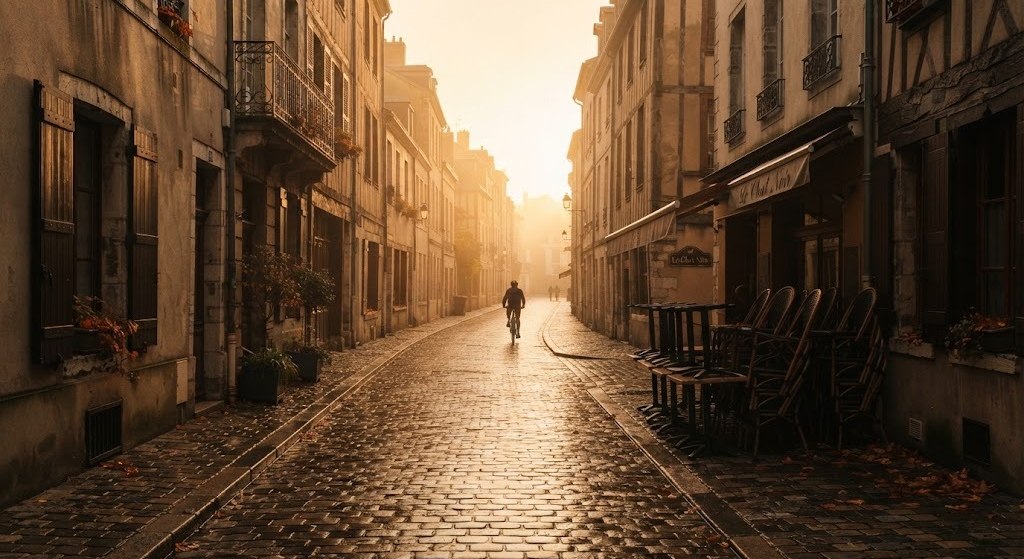
A city in April or October gives you the same museums, the same restaurants and the same squares as August, with the difference that you can sit down. The trade is daylight and weather variance: shorter days, and a real chance of rain on the one afternoon you planned for the viewpoint.
The practical fix is to build the trip in layers. Keep one indoor anchor per day - a museum, a market, a long lunch - and let the outdoor pieces move around it. A city trip survives bad weather when the backup is already in the plan rather than invented at the hotel door.
How to read a local calendar
National averages lie. A town with a festival in its shoulder week is effectively in high season; a fishing village that stops serving dinner in October is effectively closed. Three questions settle it before you pay for anything:
- Which week does the local transport timetable change?
- Which businesses close first when the season ends?
- Is there a public holiday in the middle of your dates?
Answer those and the shoulder season stops being a guess and becomes a schedule you can plan against. Add one more check that costs nothing: search the same week for the year ahead and look at how full the small hotels already are. Occupancy tells you what a destination's own calendar is doing better than any average temperature does.
The two-week rule
Shift the whole trip by a fortnight in either direction and most crowding problems solve themselves. The difference between the second week of June and the fourth is bigger than the difference between two destinations, and it costs nothing except the willingness to move dates before anything is booked.
What changes in a town between seasons
The visible difference is the crowd; the useful difference is the staff. In shoulder months the same restaurant and the same hotel run with fewer people on shift, which cuts both ways: quieter rooms and faster service, but also earlier kitchens, shorter reception hours and a guide pool that is half the size. Anything requiring a specialist - a private driver who speaks your language, a boat with a skipper, a table in a dining room with twelve covers - needs booking ahead even when the streets look empty.
Check opening hours rather than assuming them. Coastal towns in particular keep summer hours until a date written on the door, and that date moves with the weather, not with your itinerary. A quick message in advance saves the evening you would otherwise spend walking a lit street looking for a kitchen still serving.
Packing and expectations
Shoulder season means a wider temperature range in one day than you will get in July, so the wardrobe question is layers rather than weight. A light shell, one warm layer and shoes that handle wet stone cover almost any European week outside high summer. Swimmers still earn their space in late September; a warm sweater earns it in April, even on the Amalfi coast.
The other expectation to set is daylight. Autumn gives you roughly eleven usable hours by late October, which is plenty for two anchors a day and thin for a driving itinerary that assumes sunrise to sunset. Build the trip around the light you will actually have, and the shoulder season stops being a compromise at all.
Start with the water or the snow, whichever the trip is actually for, then find the local week when that resource is at its best and the infrastructure is still running. Book the small places early, keep the city days flexible, and let one rainy afternoon exist in the plan without being a problem.